




GEN2 sensor
Litech’s MIS sensor finds hazardous objects before they reach sorting or shredding, and classifies the metal in your waste stream. Less risk for your equipment, more value from what comes in.
Compatible with your existing sorting and ejection systems.
See how it works
DETECTION


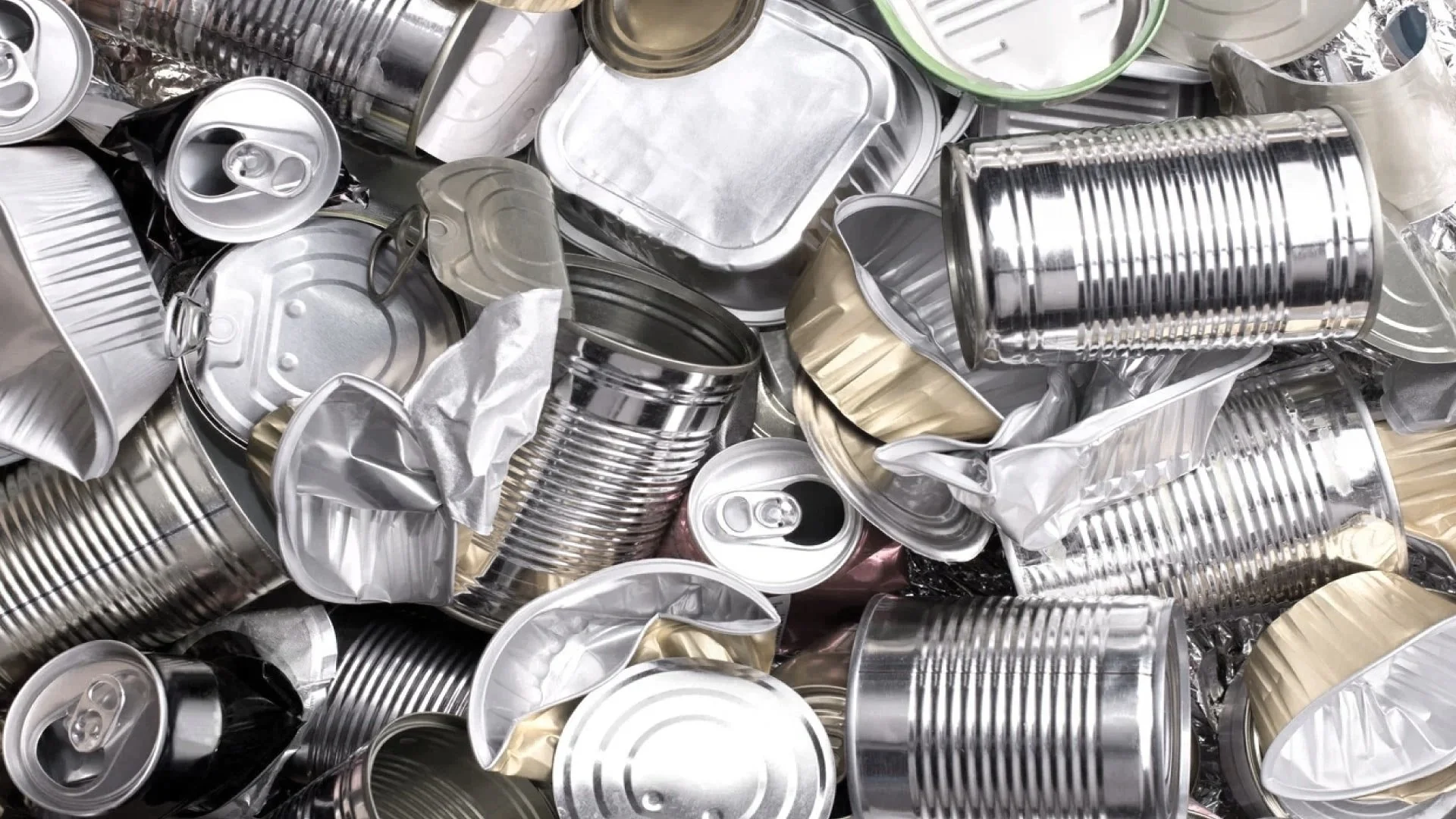
Light metal alloys
Aluminium aerosol containers and thin-walled aluminium packaging.

Non-Ferrous Conductive Metals
Copper coils, brass valves, bronze components and aluminium.

Ferrous Metals
Iron tools, steel cartridges and carbon steel components.

Stainless & Complex Alloys
Stainless steel cartridges and mixed industrial alloys.
In the field
1,000+
nitrous oxide canisters collected
97%
detection rate for nitrous oxide canisters
Since 2025
in live operation at Oslo Municipality
Data
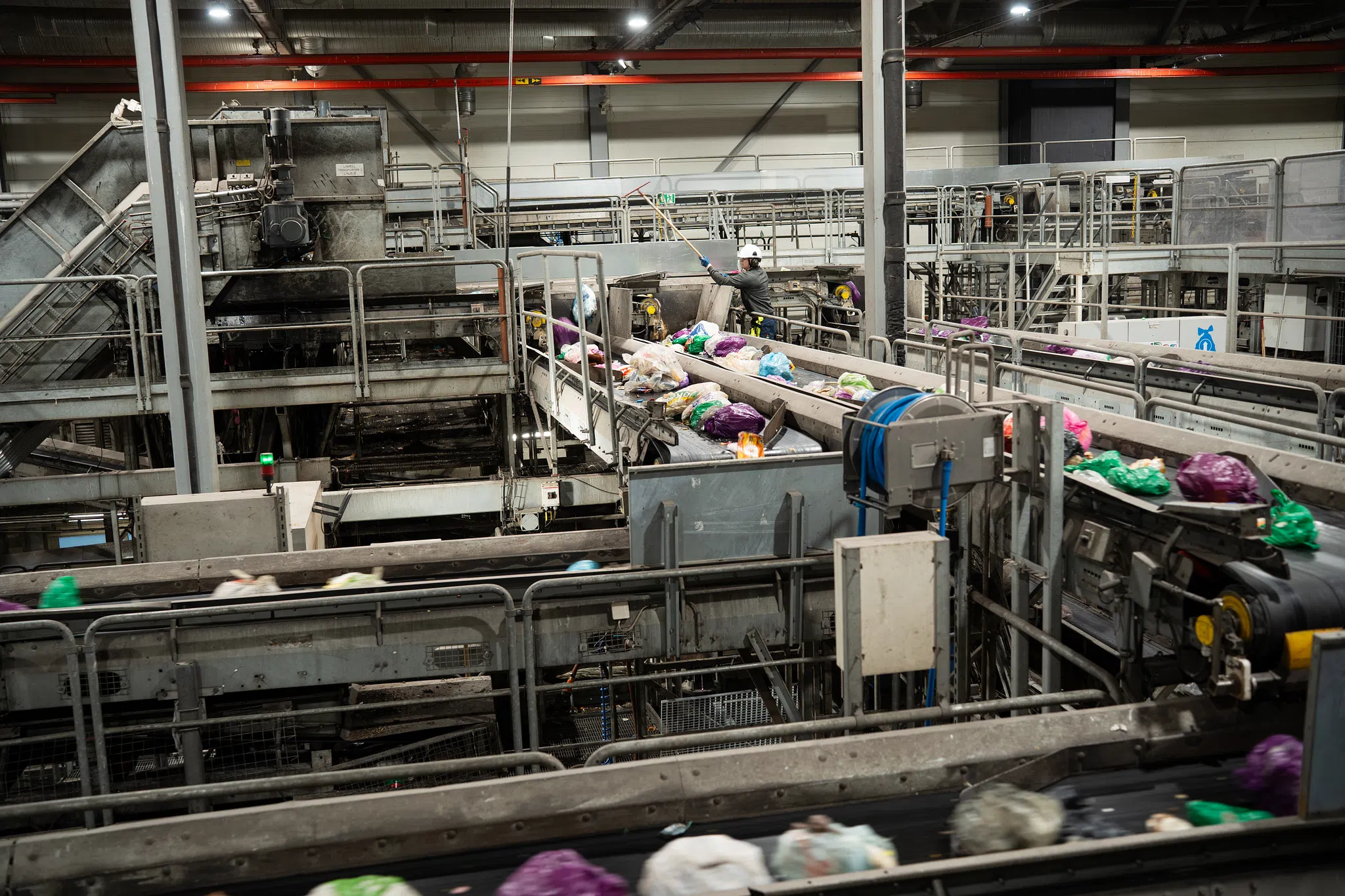
Every detection is logged with time and site. Follow it in your dashboard or through our API, and see which sites and days carry the most risk.


Through our pilot with Litech, we implemented a solution that was easy to integrate and has improved both operational reliability and fire risk management. The system gives us better control and greater day-to-day safety.


Director of operations
Konrad Palmer
Frequently asked questions
What is Magnetic Inductive Spectroscopy (MIS), and how is it different from X-ray or infrared systems?
MIS is a safe and radiation-free sensing technology that identifies materials based on their magnetic response. Unlike X-ray or infrared systems, MIS works without harmful emissions and can detect both metallic and non-metallic objects hidden inside complex waste streams. The sensor transmits signals every millisecond and identifies metals by their unique fingerprint, enabling precise alloy differentiation.
What happens during installation, how long does it take?
What do you detect?
Does the sensor work at high speeds?
What is your pricing model?
What is the penetration depth?
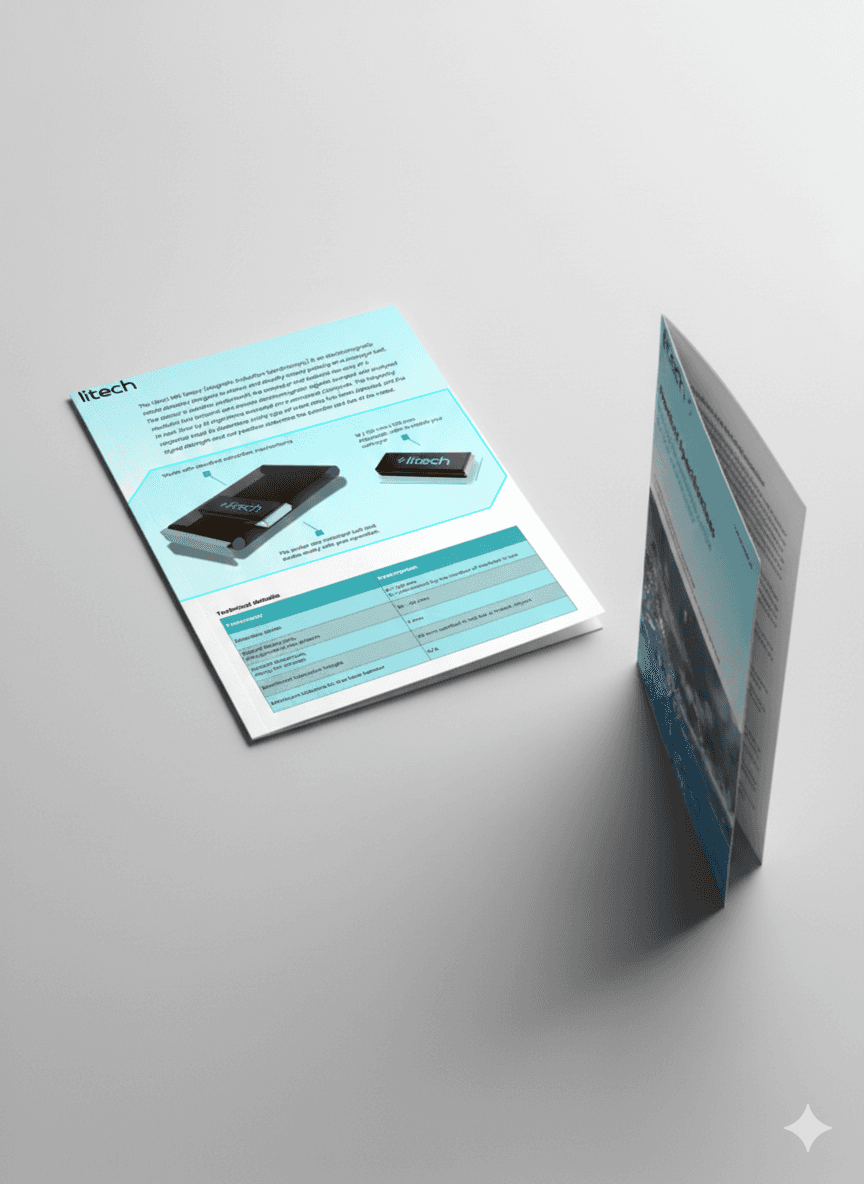
Technical details clearly documented
All key technical specifications of the Litech sensor are available in a dedicated data sheet. For teams making technical and operational decisions, the most common questions are already answered - clearly and transparently.
MORE FROM LITECH

From Innovation Norway, RENAS and ZenRobotics: meet Litech's new board members
Litech has welcomed three new board members: Sigrun Daireaux, Kim Bukdahl and Jarmo Ruohonen. Together they bring experience from international market entry, waste and recycling operations, and building a technology company in the waste industry.

Why the Circular Economy Can't Scale Without Better Waste Sorting
The circular economy is often framed as a collection problem: get more material into the right bins, and recovery rates will follow. The data tells a different story. Recovery is falling even as more attention and investment go into sustainability, and the reason comes down to what happens after material reaches a facility, not before. If a sorting system cannot correctly identify what is moving through it, valuable material gets treated the same as waste, no matter how well it was collected.

SUEZ Pilot: Litechs first international pilot is now live!
SUEZ is a French industrial giant with facilities in 40 countries across Europe, Africa, and Asia, handling tens of millions of tonnes of waste every year. Litech's detection technology is now installed on a dedicated test line at one of SUEZ's sorting facilities, where it is being validated in a real operating environment.
BOOK A DEMO
Meet our team at Oslo Science Park and see the sensor up close. Bring details about your belt and sorting setup, and we’ll go through how the sensor would fit your line.
