
News & Events
News & Events
News & Events
Stay up-to-date with our latest news and events.
Stay up-to-date with our latest news and events.
Stay up-to-date with our latest news and events.
FILTER BY CATEGORY

Why the Circular Economy Can't Scale Without Better Waste Sorting
Why the Circular Economy Can't Scale Without Better Waste Sorting
The circular economy is often framed as a collection problem: get more material into the right bins, and recovery rates will follow. The data tells a different story. Recovery is falling even as more attention and investment go into sustainability, and the reason comes down to what happens after material reaches a facility, not before. If a sorting system cannot correctly identify what is moving through it, valuable material gets treated the same as waste, no matter how well it was collected.
The circular economy is often framed as a collection problem: get more material into the right bins, and recovery rates will follow. The data tells a different story. Recovery is falling even as more attention and investment go into sustainability, and the reason comes down to what happens after material reaches a facility, not before. If a sorting system cannot correctly identify what is moving through it, valuable material gets treated the same as waste, no matter how well it was collected.

SUEZ Pilot: Litechs first international pilot is now live!
SUEZ Pilot: Litechs first international pilot is now live!
SUEZ is a French industrial giant with facilities in 40 countries across Europe, Africa, and Asia, handling tens of millions of tonnes of waste every year. Litech's detection technology is now installed on a dedicated test line at one of SUEZ's sorting facilities, where it is being validated in a real operating environment.
SUEZ is a French industrial giant with facilities in 40 countries across Europe, Africa, and Asia, handling tens of millions of tonnes of waste every year. Litech's detection technology is now installed on a dedicated test line at one of SUEZ's sorting facilities, where it is being validated in a real operating environment.

"AI" Doesn't Automatically Mean Camera-Based Technology
"AI" Doesn't Automatically Mean Camera-Based Technology
In waste and recycling tech, "AI" usually gets associated with camera-based sorting. That's a fair assumption, most of the AI applications in this industry are built around visual recognition, cameras scanning objects on a belt and sorting them by what they look like. But that's not what Litech does.
In waste and recycling tech, "AI" usually gets associated with camera-based sorting. That's a fair assumption, most of the AI applications in this industry are built around visual recognition, cameras scanning objects on a belt and sorting them by what they look like. But that's not what Litech does.

Litech Receives NOK 14.4 Million in Funding to Advance Waste Safety Technology
Litech Receives NOK 14.4 Million in Funding to Advance Waste Safety Technology
Battery fires and hazardous waste are becoming one of the biggest safety challenges for waste and recycling facilities worldwide. To help solve this growing problem, Litech has received NOK 14.4 million in funding to further develop its AI-powered waste detection technology.
Battery fires and hazardous waste are becoming one of the biggest safety challenges for waste and recycling facilities worldwide. To help solve this growing problem, Litech has received NOK 14.4 million in funding to further develop its AI-powered waste detection technology.

What waste operators actually need from fire prevention technology
What waste operators actually need from fire prevention technology
Fire prevention in waste facilities is often discussed in terms of advanced technology, complex systems, and new regulations. For waste operators, however, the reality is far more practical. The question is not how advanced a solution sounds, but whether it works reliably in day-to-day operations. Waste facilities operate in demanding environments. High throughput, mixed materials, dust, vibration, and constant movement are part of normal operations. In this context, fire prevention technology must support the workflow that already exists, rather than adding friction or complexity.
Fire prevention in waste facilities is often discussed in terms of advanced technology, complex systems, and new regulations. For waste operators, however, the reality is far more practical. The question is not how advanced a solution sounds, but whether it works reliably in day-to-day operations. Waste facilities operate in demanding environments. High throughput, mixed materials, dust, vibration, and constant movement are part of normal operations. In this context, fire prevention technology must support the workflow that already exists, rather than adding friction or complexity.
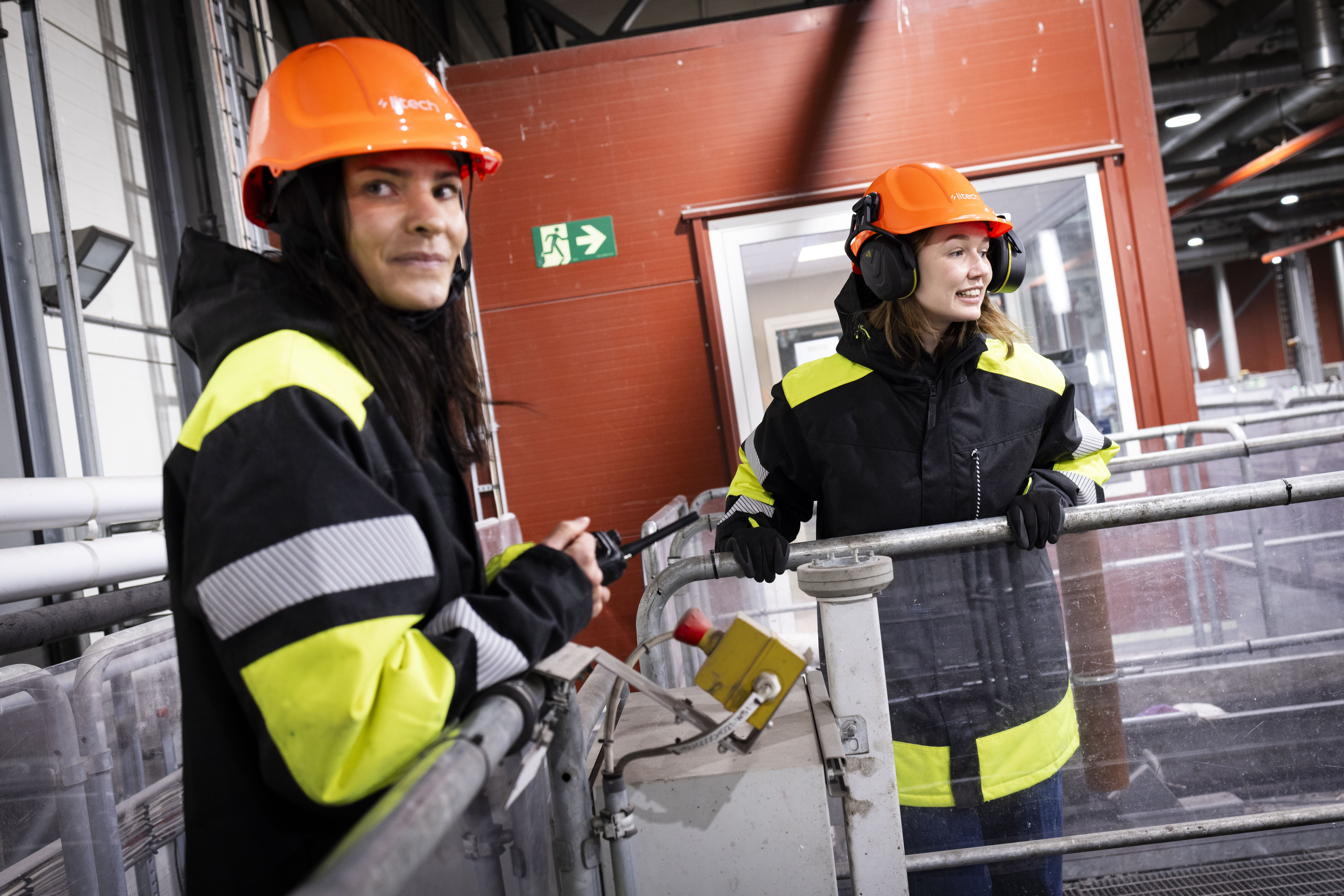
2025 at Litech: From Promise To Proof
2025 at Litech: From Promise To Proof
2025 has been the most important year in Litech’s journey so far. It’s the year where research turned into results, pilots turned into commercial traction, and Litech took a clear step forward as a fire prevention technology company for waste facilities. Litech develops sensor technology for waste management designed to detect hazardous materials early, reducing the risk of fires and explosions in waste sorting operations. This year brought us closer to that mission than ever before.
2025 has been the most important year in Litech’s journey so far. It’s the year where research turned into results, pilots turned into commercial traction, and Litech took a clear step forward as a fire prevention technology company for waste facilities. Litech develops sensor technology for waste management designed to detect hazardous materials early, reducing the risk of fires and explosions in waste sorting operations. This year brought us closer to that mission than ever before.
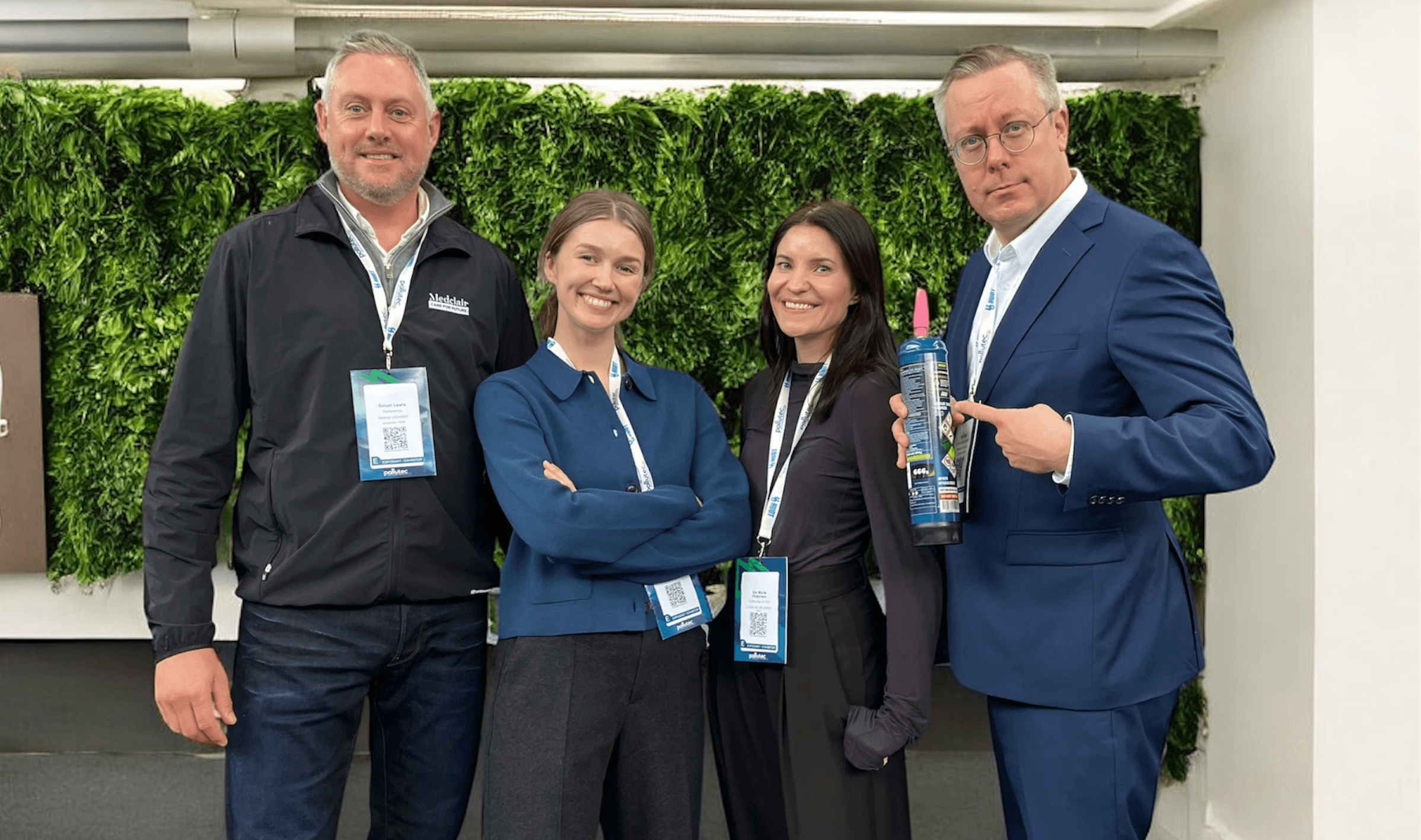
Litech and Medclair Partners Together to Close the Loop on Nitrous Oxide
Litech and Medclair Partners Together to Close the Loop on Nitrous Oxide
Litech is proud to announce a global partnership with Medclair AB, a Swedish cleantech company and international leader in nitrous oxide (N₂O) destruction technology. Together, the companies are combining their expertise to deliver a complete, end-to-end solution for handling, neutralizing, and recycling nitrous oxide in the global recycling sector.
Litech is proud to announce a global partnership with Medclair AB, a Swedish cleantech company and international leader in nitrous oxide (N₂O) destruction technology. Together, the companies are combining their expertise to deliver a complete, end-to-end solution for handling, neutralizing, and recycling nitrous oxide in the global recycling sector.
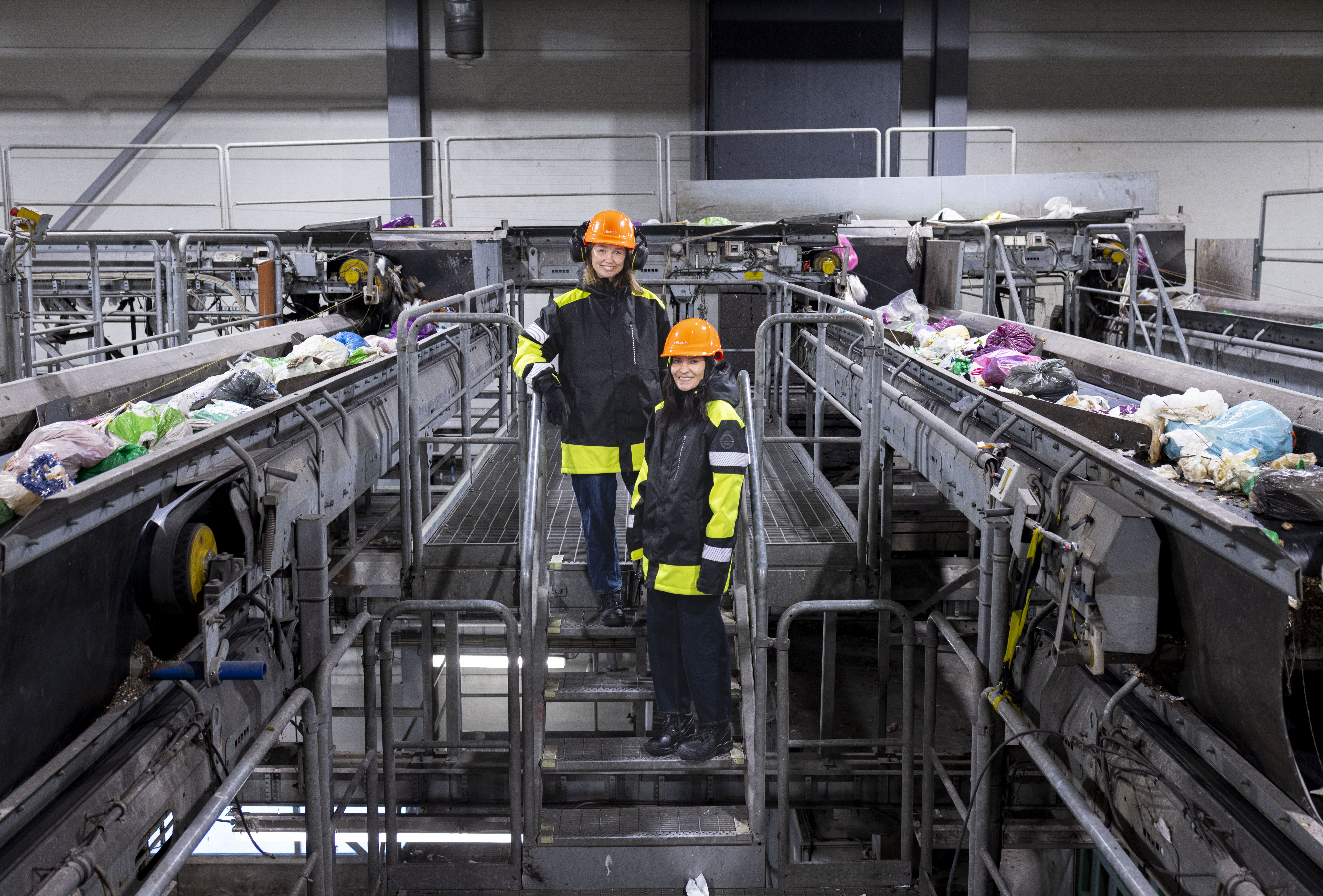
Litech’s First Commercial Breakthrough Marks a Turning Point for Fire Prevention
Litech’s First Commercial Breakthrough Marks a Turning Point for Fire Prevention
What if a single small object could shut down an entire waste facility? For Oslo Municipality, gas bottles were that risk, until a new sensor technology changed the game.
What if a single small object could shut down an entire waste facility? For Oslo Municipality, gas bottles were that risk, until a new sensor technology changed the game.

Meet Faces behind the Tech: Expanding the Team
Meet Faces behind the Tech: Expanding the Team
From pilot projects to commercial breakthroughs, Litech’s journey is driven by a team that believes fire prevention should be simple, scalable, and sustainable.
From pilot projects to commercial breakthroughs, Litech’s journey is driven by a team that believes fire prevention should be simple, scalable, and sustainable.

Risks of Exploding laughing gas bottles in Waste Facilities
Risks of Exploding laughing gas bottles in Waste Facilities
In the past 1.5 years, laughing gas consumption has surged, leading to a growing issue of improper disposal of nitrous oxide (N₂O) tanks. Small cartridges and larger tanks are now frequently seen in public spaces, especially due to the increasing trend of recreational use among young people. Found in parks, streets and roads. Nitrous oxide canisters are more than just litter. They are a growing fire risk in our waste systems. The recreational use of Nitrous Oxide has also shown environmental and economic concerns. One of the most alarming concerns is how these discarded tanks enter waste facilities. Not everyone disposes of nitrous oxide canisters as hazardous waste. Many simply throw them in the general trash. Or leave them on the street. If not properly handled, they can explode during incineration, causing severe damage, operational downtime, and major safety hazards.
In the past 1.5 years, laughing gas consumption has surged, leading to a growing issue of improper disposal of nitrous oxide (N₂O) tanks. Small cartridges and larger tanks are now frequently seen in public spaces, especially due to the increasing trend of recreational use among young people. Found in parks, streets and roads. Nitrous oxide canisters are more than just litter. They are a growing fire risk in our waste systems. The recreational use of Nitrous Oxide has also shown environmental and economic concerns. One of the most alarming concerns is how these discarded tanks enter waste facilities. Not everyone disposes of nitrous oxide canisters as hazardous waste. Many simply throw them in the general trash. Or leave them on the street. If not properly handled, they can explode during incineration, causing severe damage, operational downtime, and major safety hazards.

Why MIS Technology Outperforms X-Ray and Computer Vision in Waste Management
Why MIS Technology Outperforms X-Ray and Computer Vision in Waste Management
Efficient waste management is crucial in today’s world, where hazardous materials like lithium batteries and gas containers pose significant safety risks. Traditional technologies such as X-ray and computer vision (CV) have long been used to detect and sort materials in waste streams, but they come with limitations. Magnetic Induction Spectroscopy (MIS) technology presents a groundbreaking alternative, offering superior accuracy, safety, and efficiency.
Efficient waste management is crucial in today’s world, where hazardous materials like lithium batteries and gas containers pose significant safety risks. Traditional technologies such as X-ray and computer vision (CV) have long been used to detect and sort materials in waste streams, but they come with limitations. Magnetic Induction Spectroscopy (MIS) technology presents a groundbreaking alternative, offering superior accuracy, safety, and efficiency.

Litech Celebrates Two Awards for Advancing Smart Waste Technology
Litech Celebrates Two Awards for Advancing Smart Waste Technology
Litech is so proud to announce that we have been honored with two significant awards recognizing our commitment to innovation in AI tech, waste management, and smart sensor detection. One of these prestigious awards is the Oppdrift-stipendet for 2024, an award dedicated to fostering groundbreaking green technology solutions. Additionally, we are so happy to have won the Flaskefond Stipend in 2024, an award supporting startups with sustainable and impactful innovations.
Litech is so proud to announce that we have been honored with two significant awards recognizing our commitment to innovation in AI tech, waste management, and smart sensor detection. One of these prestigious awards is the Oppdrift-stipendet for 2024, an award dedicated to fostering groundbreaking green technology solutions. Additionally, we are so happy to have won the Flaskefond Stipend in 2024, an award supporting startups with sustainable and impactful innovations.
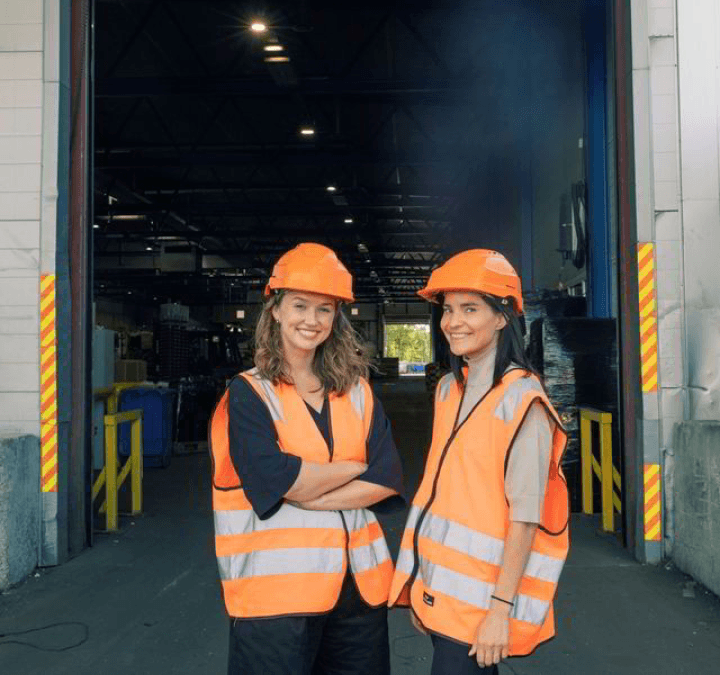
The role of the battery in Circular economy
The role of the battery in Circular economy
In an era of growing concern over environmental sustainability, the concept of the circular economy has gained significant traction. The circular economy aims to minimize waste, reduce resource consumption, and promote the reuse and recycling of products and materials. One key player in this transition towards a more sustainable future is the humble battery. Batteries are integral to our modern lives...
In an era of growing concern over environmental sustainability, the concept of the circular economy has gained significant traction. The circular economy aims to minimize waste, reduce resource consumption, and promote the reuse and recycling of products and materials. One key player in this transition towards a more sustainable future is the humble battery. Batteries are integral to our modern lives...
Let’s work together to close the loop
Recover more, reduce fire risk, and boost your sorting rate — with sensors under your existing conveyor belt.

Join our newsletter!
Stay updated on our latest pilots, product improvements, and how our technology is preventing fires across facilities.
Making fire prevention simple for the waste industry
Li-tech AS, Gaustadalléen 21, 0349 Oslo
Making fire prevention simple for the waste industry
Li-tech AS, Gaustadalléen 21, 0349 Oslo
Making fire prevention simple for the waste industry
Li-tech AS, Gaustadalléen 21, 0349 Oslo