Primary hazard
Lithium batteries
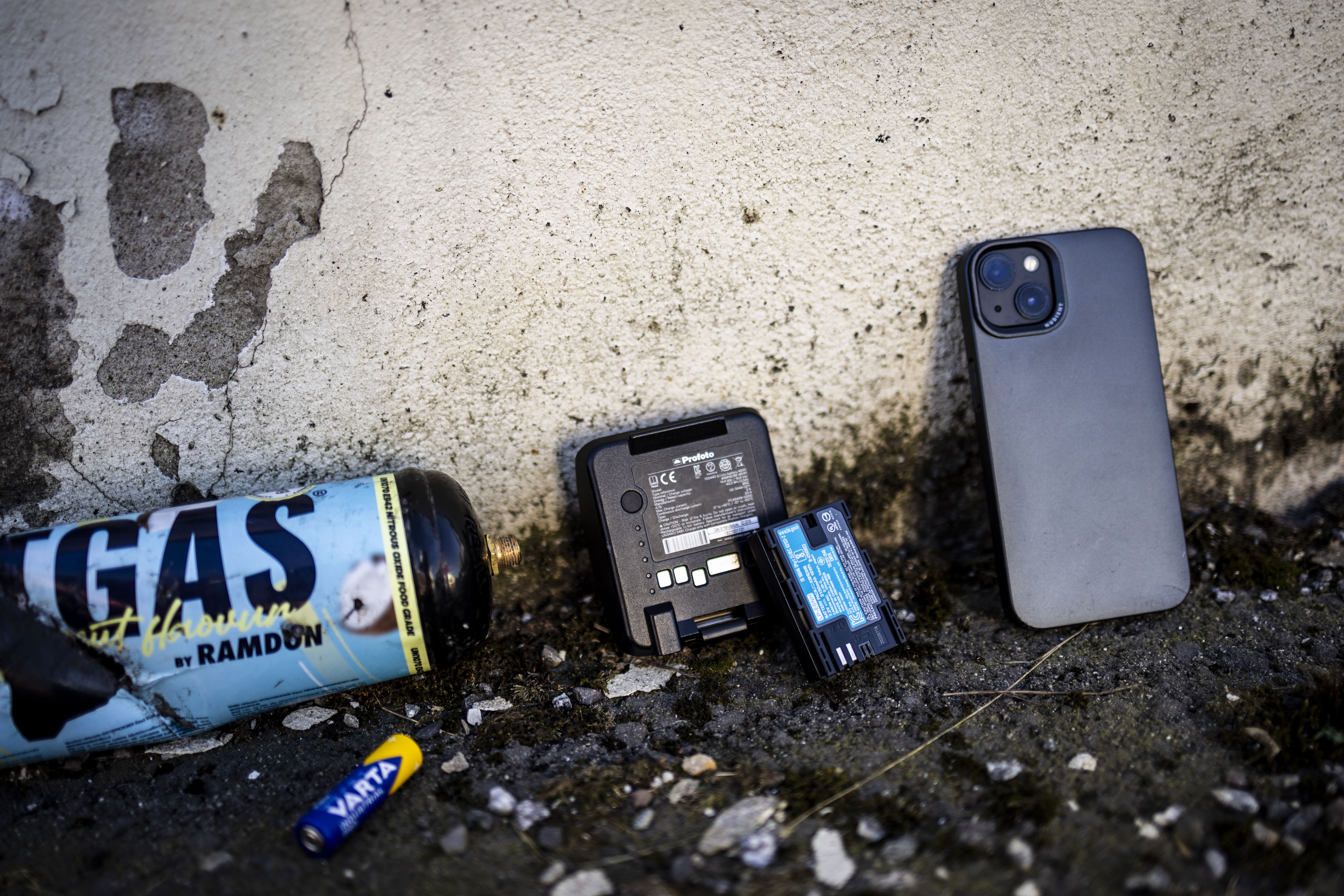
Loose cells, power-tool packs, e-bike and scooter batteries, phone and laptop cells.
Including units buried inside bags or mixed waste.
Compact sensor that fits
into any conveyorbelt







THE PROBLEM
Waste moves through facilities in thick, mixed layers, and hazardous items are often hidden inside bags, cartons, or beneath other material. Cameras only see the surface, so batteries, gas bottles, and other threats can pass through undetected. Our sensor sees beneath the surface using electromagnetic induction, and AI classifies what it finds in real time, without radiation.
Hidden batteries and gas canisters are a fire risk that's easy to miss. Our sensor catches them before they reach the shredder, protecting your equipment, reducing downtime, and keeping your workers safer, with a simple plug-and-play install.
Contaminated batches often get diverted or discarded, losing recoverable value. By flagging hazards before they reach the shredder, our sensor keeps more of your waste stream clean and sortable, so more material makes it back into recycling.
Detection depth
Detection rate
Max conveyor speed


Read more
What Litech delivers
Detecting hazardous objects before they reach sorting or shredding reduces risk and protects your equipment.
Lithium batteries and gas canisters are detected before they reach sorting or shredding, where they pose the greatest fire risk.
The sensor mounts under your existing conveyor belt and requires no major changes to your facility.
Reading multi-frequency magnetic signatures to separate batteries and gas bottles from ordinary metal, even buried in the stream or hidden inside a device.
Fewer stops caused by fires or jammed hazardous objects in the sorting line.

See it in action
Book a demo to see how the sensor detects hazardous objects on your own conveyor line.
Lithium batteries and gas canisters are detected before they reach sorting or shredding, where they pose the greatest fire risk.
The sensor mounts under your existing conveyor belt and requires no major changes to your facility.
Reading multi-frequency magnetic signatures to separate batteries and gas bottles from ordinary metal, even buried in the stream or hidden inside a device.
Fewer stops caused by fires or jammed hazardous objects in the sorting line.
See it in action
Book a demo to see how the sensor detects hazardous objects on your own conveyor line.
Redesigned and improved

PRIMARY HAZARD
DETECTS THROUGH BAGS & MIXED WASTE
#1 FIRE IGNITION RISK

PRIMARY HAZARD
PRESSURISED GAS RISK
LIVE TODAY
PRIMARY HAZARD
PRESSURISED GAS RISK
LIVE TODAY
Also detects
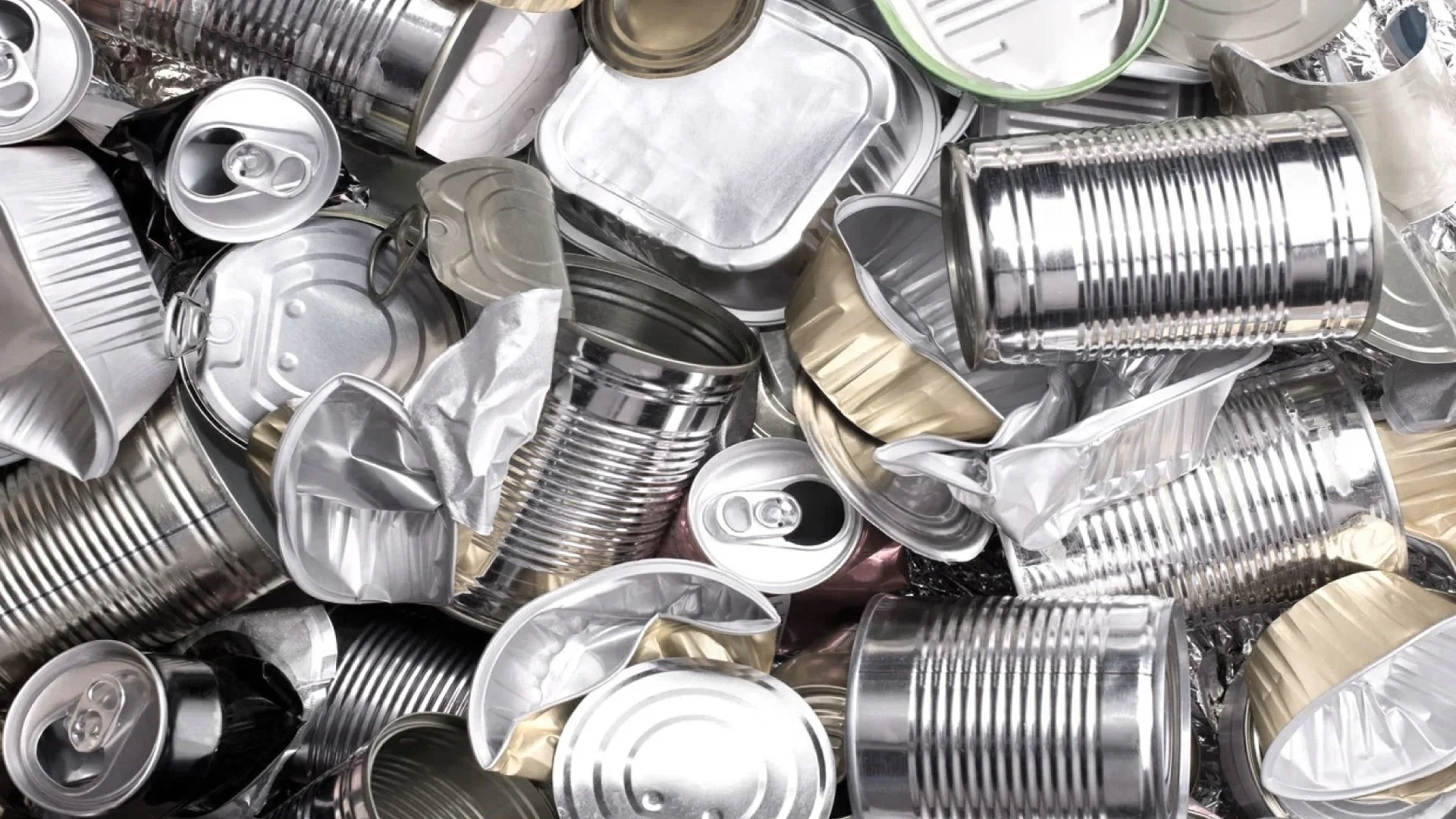
Aluminium aerosol containers and thin-walled aluminium packaging.

Copper coils, brass valves, bronze components and aluminium.

Iron tools, steel cartridges and carbon steel components.

Stainless steel cartridges and mixed industrial alloys.
Loose cells, power-tool packs, e-bike and scooter batteries, phone and laptop cells.
Including units buried inside bags or mixed waste.
N₂O cylinders and gas bottles, from small chargers to 20+ cm tanks, separated from ordinary aerosol and packaging metal.
ALSO CLASSIFIES

Our sensor is calibrated to tell different metal types and alloys apart. If your specific material isn't listed, get in touch — we'll tailor the detection settings to your setup.
Our sensor is calibrated to tell different metal types and alloys apart. If your specific material isn't listed, get in touch — we'll tailor the detection settings to your setup.

PILOT - OSLO MUNICIPALITY
“The most dangerous batteries are the ones you can’t see. Our sensor makes that risk visible in the material stream, and removes it before it becomes a fire.”
Synne Sauar
CEO & Co-founder at Litech
Updates
Litech x SUEZ pilot is now Live!
PILOT - OSLO MUNICIPALITY
“The most dangerous batteries are the ones you can’t see. Our sensor makes that risk visible in the material stream, and removes it before it becomes a fire.”
Synne Sauar
CEO & Co-founder at Litech
Updates
Litech x SUEZ pilot is now Live!
Access clear actionable data through our dashboard or API so you can track performance incidents and impact in real time.


With Litech, each detection feeds live data,
giving operators clear insight into performance and prevention.
With Litech, each detection feeds live data,
giving operators clear insight into performance and prevention.
With Litech, each detection feeds live data,
giving operators clear insight into performance and prevention.
View the pilot case study
Through our pilot with Litech, we implemented a solution that was easy to integrate and has improved both operational reliability and fire risk management. The system gives us better control and greater day-to-day safety.

Director of operations
Konrad Palmer
View the pilot case study
Through our pilot with Litech, we implemented a solution that was easy to integrate and has improved both operational reliability and fire risk management. The system gives us better control and greater day-to-day safety.
Director of operations
Konrad Palmer
More value from Metals
Detection to Neutralization
Together, we're building more than just safer waste facilities — we're creating a system where every detection leads to prevention, and every prevention makes recycling possible.
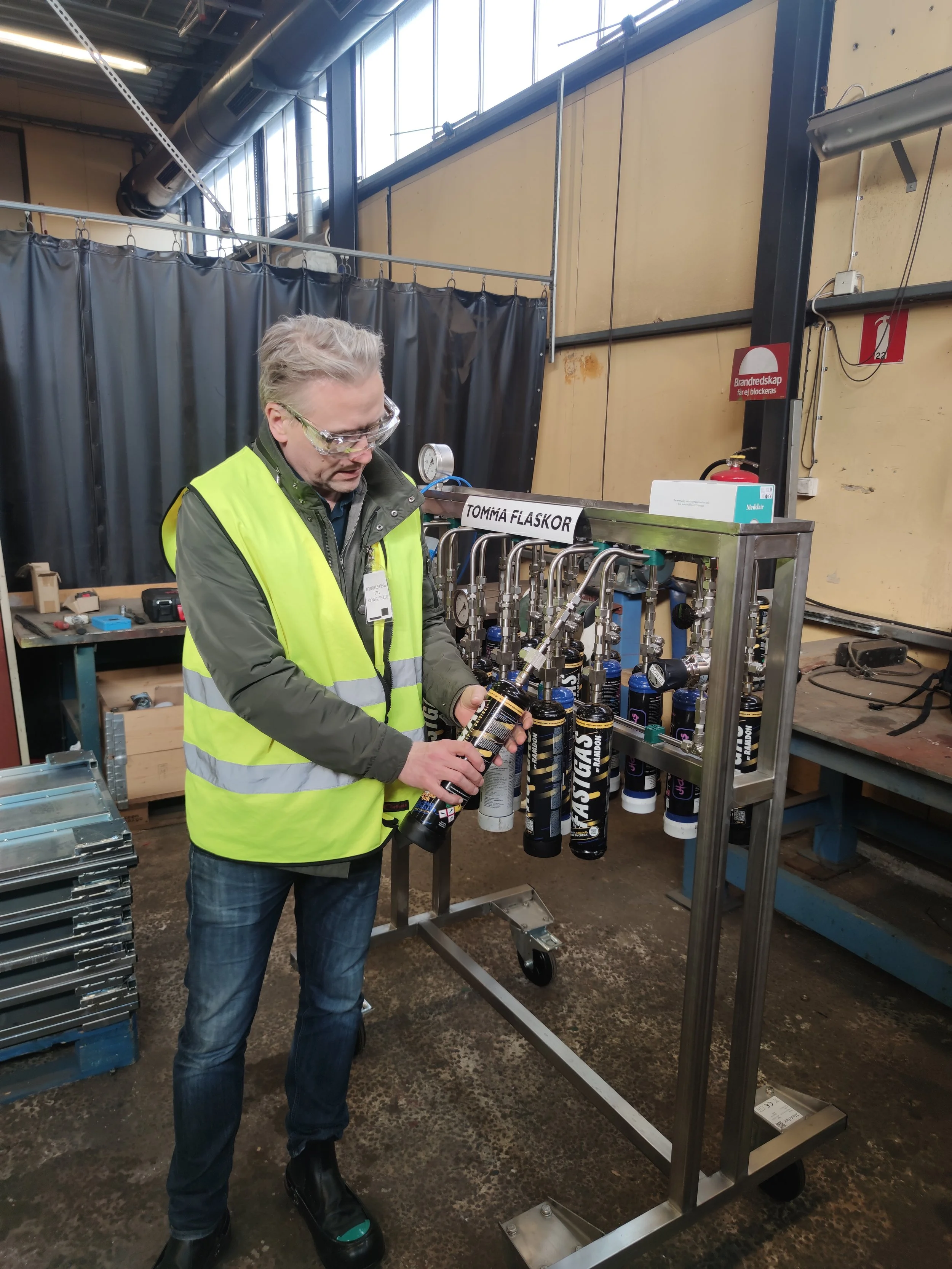
We have gathered the most common questions from customers and operators to make it easy to understand what the Litech sensor can do for you.
What is Magnetic Inductive Spectroscopy (MIS), and how is it different from X-ray or infrared systems?
What happens during installation, how long does it take?
What do you detect?
Does the sensor work at high speeds?
What is the size of the sensor?
What is your pricing model?
What is the penetration depth?
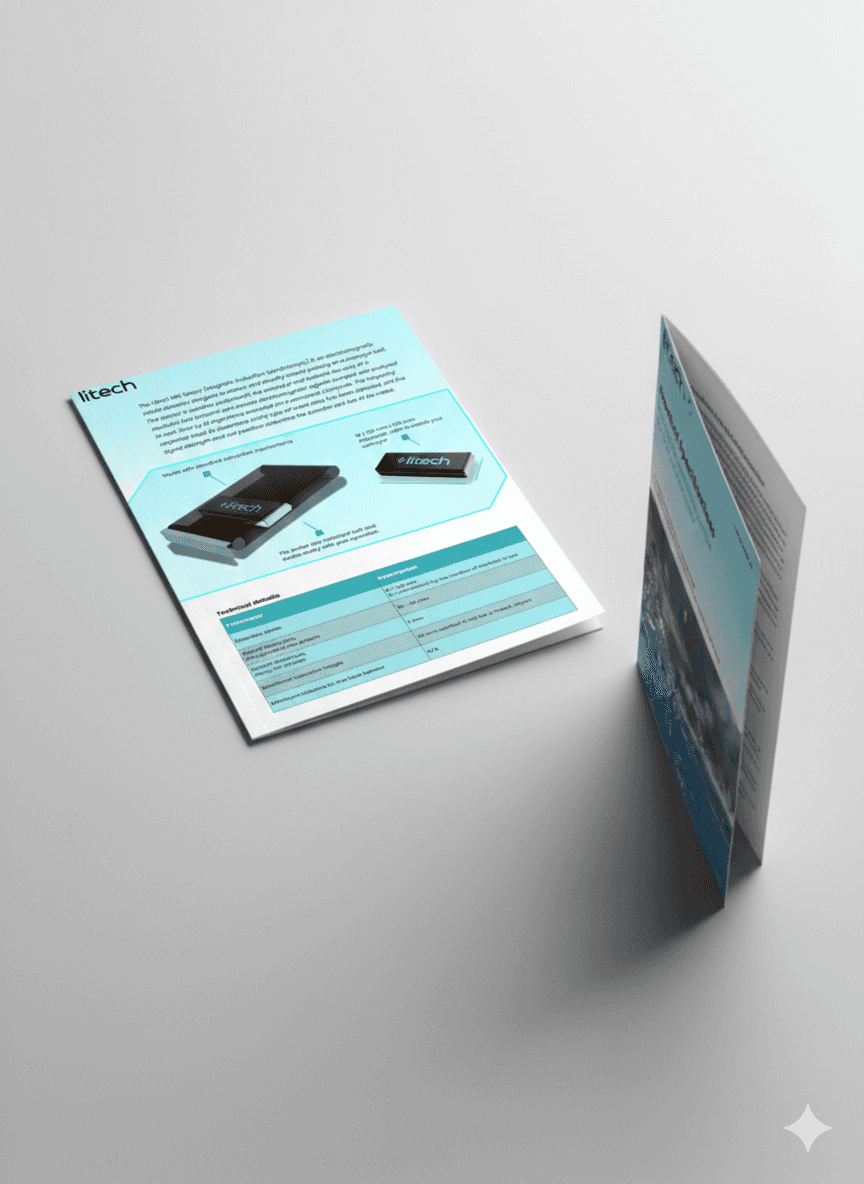
Technical details clearly documented
All key technical specifications of the Litech sensor are available in a dedicated data sheet. For teams making technical and operational decisions, the most common questions are already answered - clearly and transparently.
Technical details clearly documented
All key technical specifications of the Litech sensor are available in a dedicated data sheet. For teams making technical and operational decisions, the most common questions are already answered - clearly and transparently.
Let’s work together to close the loop
Recover more, reduce fire risk, and boost your sorting rate — with sensors under your existing conveyor belt.

Join our newsletter!
Stay updated on our latest pilots, product improvements, and how our technology is preventing fires across facilities.
Join our newsletter!
Stay updated on our latest pilots, product improvements, and how our technology is preventing fires across facilities.
Compact sensor that fits into any conveyorbelt
THE PROBLEM
Waste moves through facilities in thick, mixed layers, and hazardous items are often hidden inside bags, cartons, or beneath other material. Cameras only see the surface, so batteries, gas bottles, and other threats can pass through undetected. Our sensor sees beneath the surface using electromagnetic induction, and AI classifies what it finds in real time, without radiation.
Hidden batteries and gas canisters are a fire risk that's easy to miss. Our sensor catches them before they reach the shredder, protecting your equipment, reducing downtime, and keeping your workers safer, with a simple plug-and-play install.
Contaminated batches often get diverted or discarded, losing recoverable value. By flagging hazards before they reach the shredder, our sensor keeps more of your waste stream clean and sortable, so more material makes it back into recycling.
Detection depth
Detection Rate
Maximum Conveyor Speed
Explore the new V2 Litech Sensor
See how V2 detects hazardous objects on your conveyor line, discover its features,
and join the waitlist for early access.
Read more
Explore the new V2 Litech Sensor
See how V2 detects hazardous objects on your conveyor line, discover its features,
and join the waitlist for early access.
Read more
See it in action
Book a demo to see how the sensor detects hazardous objects on your own conveyor line.
Lithium batteries and gas canisters are detected before they reach sorting or shredding, where they pose the greatest fire risk.
The sensor mounts under your existing conveyor belt and requires no major changes to your facility.
Reading multi-frequency magnetic signatures to separate batteries and gas bottles from ordinary metal, even buried in the stream or hidden inside a device.
Fewer stops caused by fires or jammed hazardous objects in the sorting line.
See it in action
Book a demo to see how the sensor detects hazardous objects on your own conveyor line.
Lithium batteries and gas canisters are detected before they reach sorting or shredding, where they pose the greatest fire risk.
The sensor mounts under your existing conveyor belt and requires no major changes to your facility.
Reading multi-frequency magnetic signatures to separate batteries and gas bottles from ordinary metal, even buried in the stream or hidden inside a device.
Fewer stops caused by fires or jammed hazardous objects in the sorting line.
DETECTION
PRIMARY HAZARD
DETECTS THROUGH BAGS & MIXED WASTE
#1 FIRE IGNITION RISK
PRIMARY HAZARD
PRESSURISED GAS RISK
LIVE TODAY
PRIMARY HAZARD
PRESSURISED GAS RISK
LIVE TODAY
Also detects
Also detects
PRIMARY HAZARD
DETECTS THROUGH BAGS & MIXED WASTE
#1 FIRE IGNITION RISK
PRIMARY HAZARD
PRESSURISED GAS RISK
LIVE TODAY
Aluminium aerosol containers and thin-walled aluminium packaging.
Copper coils, brass valves, bronze components and aluminium.
Iron tools, steel cartridges and carbon steel components.
Stainless steel cartridges and mixed industrial alloys.
Aluminium aerosol containers and thin-walled aluminium packaging.
Copper coils, brass valves, bronze components and aluminium.
Iron tools, steel cartridges and carbon steel components.
Stainless steel cartridges and mixed industrial alloys.
Loose cells, power-tool packs, e-bike and scooter batteries, phone and laptop cells.
Including units buried inside bags or mixed waste.
N₂O cylinders and gas bottles, from small chargers to 20+ cm tanks, separated from ordinary aerosol and packaging metal.
ALSO CLASSIFIES
ALSO CLASSIFIES
Loose cells, power-tool packs, e-bike and scooter batteries, phone and laptop cells.
Including units buried inside bags or mixed waste.
N₂O cylinders and gas bottles, from small chargers to 20+ cm tanks, separated from ordinary aerosol and packaging metal.
Redesigned and improved

Our sensor is calibrated to tell different metal types and alloys apart. If your specific material isn't listed, get in touch — we'll tailor the detection settings to your setup.
Our sensor is calibrated to tell different metal types and alloys apart. If your specific material isn't listed, get in touch — we'll tailor the detection settings to your setup.
PILOT — OSLO MUNICIPALITY
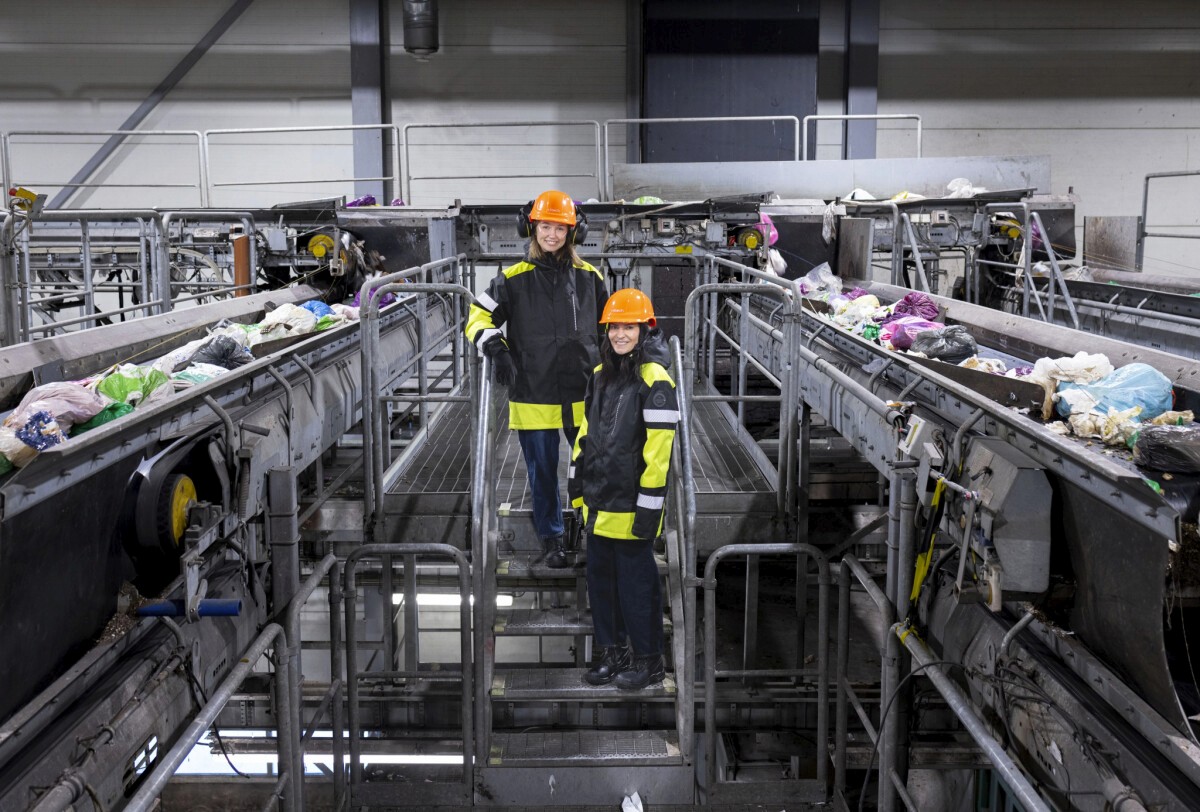
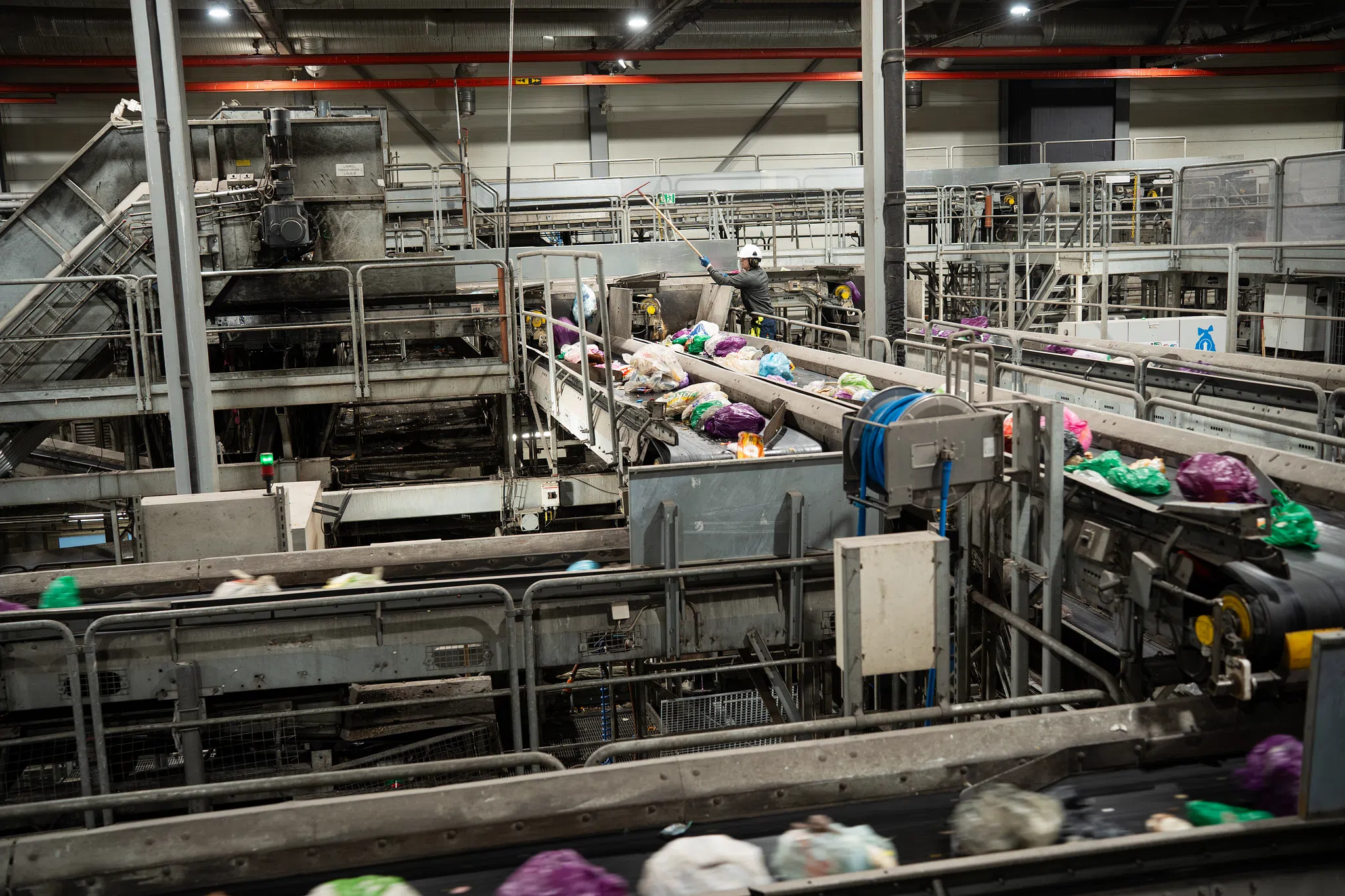
Footage from our pilot at Oslo Municipality, preventing potential fires and explosions in the waste stream.
“The most dangerous batteries are the ones you can’t see. Our sensor makes that risk visible in the material stream, and removes it before it becomes a fire.”
Synne Sauar
CEO & Co-founder at Litech
Updates
Litech x SUEZ pilot is now Live!
Updates
Litech x SUEZ pilot is now Live!
PILOT — OSLO MUNICIPALITY
Footage from our pilot at Oslo Municipality, preventing potential fires and explosions in the waste stream.
“The most dangerous batteries are the ones you can’t see. Our sensor makes that risk visible in the material stream, and removes it before it becomes a fire.”
Synne Sauar
CEO & Co-founder at Litech
Updates
Litech x SUEZ pilot is now Live!
Updates
Litech x SUEZ pilot is now Live!
DATA
DATA
Access clear actionable data through our dashboard or API so you can track performance incidents and impact in real time.

With Litech, each detection feeds live data,
giving operators clear insight into performance and prevention.
With Litech, each detection feeds live data,
giving operators clear insight into performance and prevention.
View the pilot case study
Through our pilot with Litech, we implemented a solution that was easy to integrate and has improved both operational reliability and fire risk management. The system gives us better control and greater day-to-day safety.
Director of operations
Konrad Palmer
View the pilot case study
Through our pilot with Litech, we implemented a solution that was easy to integrate and has improved both operational reliability and fire risk management. The system gives us better control and greater day-to-day safety.
Director of operations
Konrad Palmer
Through our pilot with Litech, we implemented a solution that was easy to integrate and has improved both operational reliability and fire risk management. The system gives us better control and greater day-to-day safety.
Director of operations
Konrad Palmer
More value from Metals
Detection to Neutralization
Together, we're building more than just safer waste facilities — we're creating a system where every detection leads to prevention, and every prevention makes recycling possible.
We've gathered the most common questions from customers and operators to make it easy to understand what the Litech sensor can do for you.
What is Magnetic Inductive Spectroscopy (MIS), and how is it different from X-ray or infrared systems?
MIS is a safe and radiation-free sensing technology that identifies materials based on their magnetic response. Unlike X-ray or infrared systems, MIS works without harmful emissions and can detect both metallic and non-metallic objects hidden inside complex waste streams. The sensor transmits signals every millisecond and identifies metals by their unique fingerprint, enabling precise alloy differentiation.
What happens during installation, how long does it take?
What do you detect?
Does the sensor work at high speeds?
What is the size of the sensor?
What is your pricing model?
What is the penetration depth?
Technical details clearly documented
All key technical specifications of the Litech sensor are available in a dedicated data sheet. For teams making technical and operational decisions, the most common questions are already answered - clearly and transparently.
Technical details clearly documented
All key technical specifications of the Litech sensor are available in a dedicated data sheet. For teams making technical and operational decisions, the most common questions are already answered - clearly and transparently.
MORE FROM LITECH

The circular economy is often framed as a collection problem: get more material into the right bins, and recovery rates will follow. The data tells a different story. Recovery is falling even as more attention and investment go into sustainability, and the reason comes down to what happens after material reaches a facility, not before. If a sorting system cannot correctly identify what is moving through it, valuable material gets treated the same as waste, no matter how well it was collected.

SUEZ is a French industrial giant with facilities in 40 countries across Europe, Africa, and Asia, handling tens of millions of tonnes of waste every year. Litech's detection technology is now installed on a dedicated test line at one of SUEZ's sorting facilities, where it is being validated in a real operating environment.
Let’s work together to close the loop
Recover more, reduce fire risk, and boost your sorting rate — with sensors under your existing conveyor belt.
Join our newsletter!
Stay updated on our latest pilots, product improvements, and how our technology is preventing fires across facilities.
Join our newsletter!
Stay updated on our latest pilots, product improvements, and how our technology is preventing fires across facilities.
Let’s work together to close the loop
Recover more, reduce fire risk, and boost your sorting rate — with sensors under your existing conveyor belt.
Join our newsletter!
Stay updated on our latest pilots, product improvements, and how our technology is preventing fires across facilities.
Compact plug & play sensor that fits into any conveyorbelt
THE PROBLEM
Waste moves through facilities in thick, mixed layers, and hazardous items are often hidden inside bags, cartons, or beneath other material. Cameras only see the surface, so batteries, gas bottles, and other threats can pass through undetected. Our sensor sees beneath the surface using electromagnetic induction, and AI classifies what it finds in real time, without any radiation.
Hidden batteries and gas canisters are a fire risk that's easy to miss. Our sensor catches them before they reach the shredder, protecting your equipment, reducing downtime, and keeping your workers safer, with a simple plug-and-play install.
Contaminated batches often get diverted or discarded, losing recoverable value. By flagging hazards before they reach the shredder, our sensor keeps more of your waste stream clean and sortable, so more material makes it back into recycling.

Explore the new GEN2 Litech Sensor
Explore the new GEN2 Litech Sensor
See how V2 detects hazardous objects on your conveyor line, discover its features,
and join the waitlist for early access.
See how V2 detects hazardous objects on your conveyor line, discover its features,
and join the waitlist for early access.
Read more
See it in action
Book a demo to see how the sensor detects hazardous objects on your own conveyor line.
Lithium batteries and gas canisters are detected before they reach sorting or shredding, where they pose the greatest fire risk.
The sensor mounts under your existing conveyor belt and requires no major changes to your facility.
Reading multi-frequency magnetic signatures to separate batteries and gas bottles from ordinary metal, even buried in the stream or hidden inside a device.
Fewer stops caused by fires or jammed hazardous objects in the sorting line.
DETECTION
PRIMARY HAZARD
DETECTS THROUGH BAGS & MIXED WASTE
#1 FIRE IGNITION RISK
PRIMARY HAZARD
PRESSURISED GAS RISK
LIVE TODAY
Also detects
Also detects
Aluminium aerosol containers and thin-walled aluminium packaging.
Copper coils, brass valves, bronze components and aluminium.
Iron tools, steel cartridges and carbon steel components.
Stainless steel cartridges and mixed industrial alloys.
Our sensor is calibrated to tell different metal types and alloys apart. If your specific material isn't listed, get in touch, we'll tailor the detection settings to your setup.
CUSTOMER: OSLO MUNICIPALITY
Footage from our installation at Oslo Municipality,
preventing potential fires and explosions in the waste stream.
"The most dangerous batteries are the ones you can't see. Our sensor makes that risk visible in the material stream, and removes it before it becomes a fire."
Synne Sauar
CEO & Co-founder at Litech
Updates
Litech x SUEZ pilot is now Live!
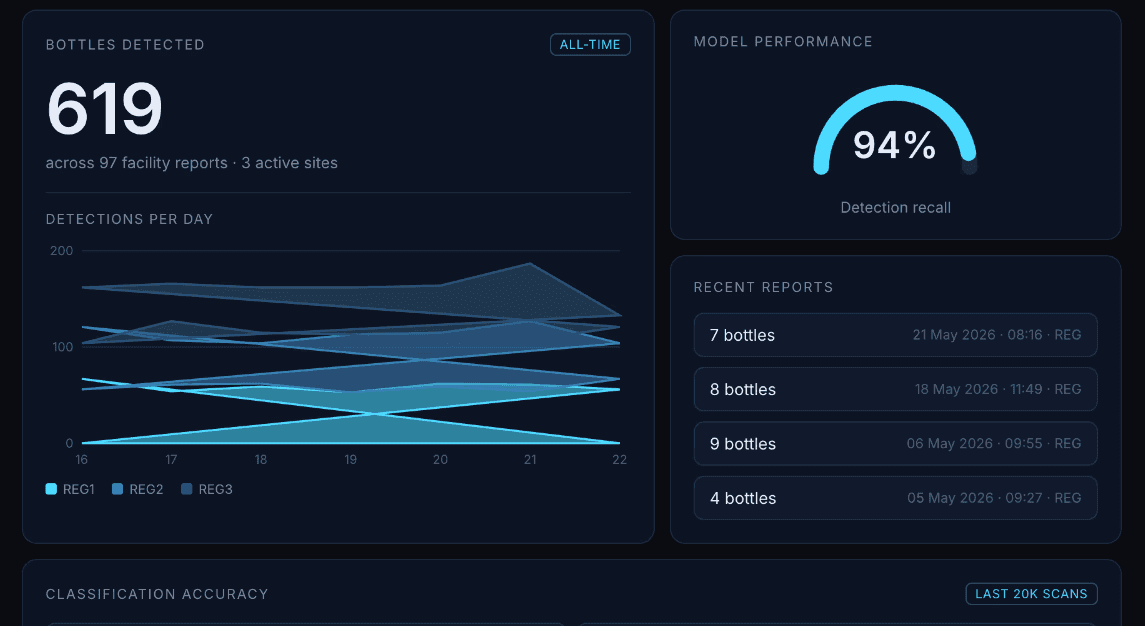
With Litech, each detection feeds live data,
giving operators clear insight into performance and prevention.
View the pilot case study
Through our pilot with Litech, we implemented a solution that was easy to integrate and has improved both operational reliability and fire risk management. The system gives us better control and greater day-to-day safety.
Director of operations
Konrad Palmer
We’ve gathered the most common questions from customers and operators to make it easy to understand what the Litech sensor can do for you.
What is Magnetic Inductive Spectroscopy (MIS), and how is it different from X-ray or infrared systems?
MIS is a safe and radiation-free sensing technology that identifies materials based on their magnetic response. Unlike X-ray or infrared systems, MIS works without harmful emissions and can detect both metallic and non-metallic objects hidden inside complex waste streams. The sensor transmits signals every millisecond and identifies metals by their unique fingerprint, enabling precise alloy differentiation.
What happens during installation, how long does it take?
What do you detect?
Does the sensor work at high speeds?
What is your pricing model?
What is the penetration depth?
Technical details clearly documented
All key technical specifications of the Litech sensor are available in a dedicated data sheet. For teams making technical and operational decisions, the most common questions are already answered - clearly and transparently.
Let’s work together to close the loop
Recover more, reduce fire risk, and boost your sorting rate — with sensors under your existing conveyor belt.
Join our newsletter!
Stay updated on our latest pilots, product improvements, and how our technology is preventing fires across facilities.
MORE FROM LITECH
The circular economy is often framed as a collection problem: get more material into the right bins, and recovery rates will follow. The data tells a different story. Recovery is falling even as more attention and investment go into sustainability, and the reason comes down to what happens after material reaches a facility, not before. If a sorting system cannot correctly identify what is moving through it, valuable material gets treated the same as waste, no matter how well it was collected.
SUEZ is a French industrial giant with facilities in 40 countries across Europe, Africa, and Asia, handling tens of millions of tonnes of waste every year. Litech's detection technology is now installed on a dedicated test line at one of SUEZ's sorting facilities, where it is being validated in a real operating environment.

Battery fires and hazardous waste are becoming one of the biggest safety challenges for waste and recycling facilities worldwide. To help solve this growing problem, Litech has received NOK 14.4 million in funding to further develop its AI-powered waste detection technology.
Making fire prevention simple for the waste industry
Litech AS © 2026. All rights reserved.
Li-tech AS, Gaustadalléen 21, 0349 Oslo
Making fire prevention simple for the waste industry
Litech AS © 2026. All rights reserved.
Li-tech AS, Gaustadalléen 21, 0349 Oslo
Making fire prevention simple for the waste industry
Litech AS © 2026. All rights reserved.
Li-tech AS, Gaustadalléen 21, 0349 Oslo